news
Des Moines' Past Decisions Shape Today's Neighborhood Growth
Understanding how past decisions and city priorities have shaped recent changes in Des Moines’ communities.
How we reported this
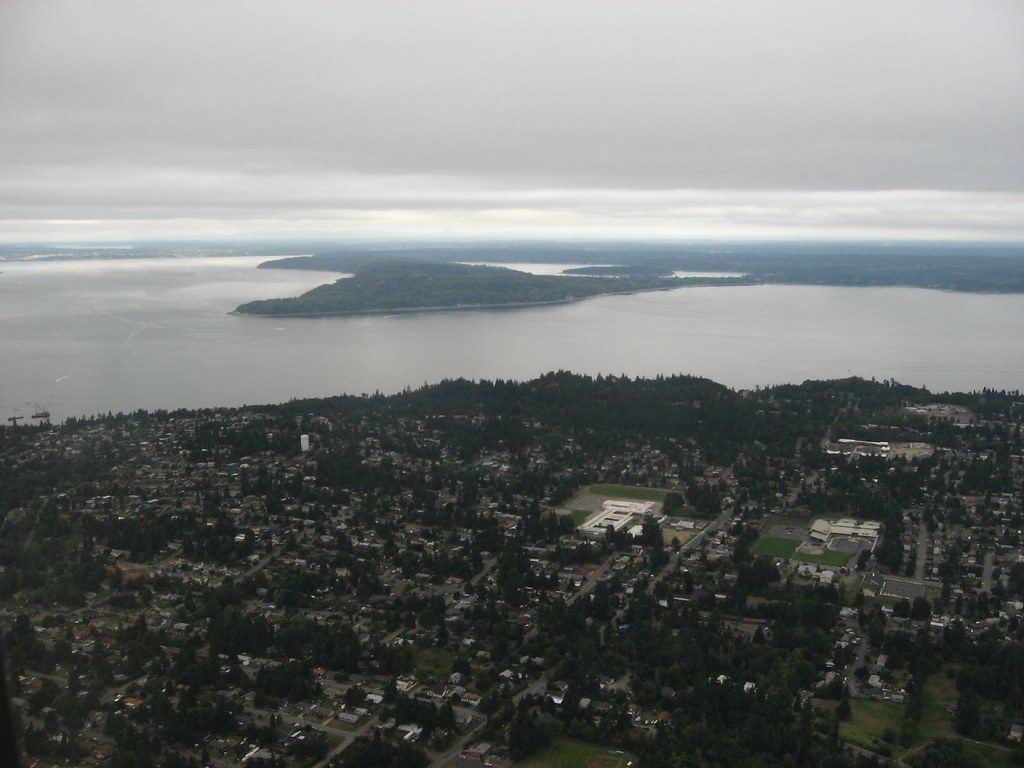
Des Moines is witnessing shifts in its neighborhood landscapes, reflecting a process rooted in previous urban planning decisions and community initiatives. Though no recent city-wide announcements detail new developments, the evolution of local neighborhoods stems from ongoing trends and policies pursued over the past decade.
How Past Planning Influences Current Neighborhoods
Des Moines’ current neighborhood developments cannot be seen in isolation. The city’s approach to community growth has prioritized balancing revitalization with preserving local character, a goal reflected in the focus on existing neighborhoods rather than rapid, large-scale construction. Decision-makers have frequently emphasized sustainable growth aligned with the distinct identities of areas such as Sherman Hill and the East Village, preserving architectural heritage while encouraging incremental improvements.
Community organizations and city programs have supported this approach, promoting neighborhood engagement and advocating for zoning flexibility. This framework, built over years of policy evolution, matters now because it informs the city’s response to shifting demographics and housing demands amid broader economic pressures.
Local Dynamics and Community-Led Initiatives
Neighborhood developments in Des Moines often emerge through grassroots efforts coupled with municipal support. Long-standing groups active in neighborhoods like Beaverdale and Waveland Park have worked to enhance quality of life through small projects such as park upgrades and street beautification. These efforts demonstrate incremental progress rather than sweeping transformations, reflecting a measured path forward.
City planning departments have encouraged these neighborhood-specific initiatives, fostering collaboration with residents and business owners. While recent reported efforts elsewhere nationally highlight large redevelopment projects, Des Moines continues to lean into community-driven growth that honors local history and scale.
The evidence for this locally grounded development approach is qualitative. There is not a singular large-scale project dominating headlines or zoning shifts radically altering landscapes. Instead, changes reflect steady investment in maintaining vibrant neighborhoods and addressing resident needs through targeted improvements.
Looking ahead, residents and city planners will likely continue this approach. Monitoring existing neighborhood needs, encouraging resident input, and supporting small-scale improvements remain practical steps for preserving Des Moines’ urban vitality without compromising its character or cohesion.