Politics
Des Moines Voters Decide Three Ballot Measures Affecting Taxes and Schools
A guide to the direct local consequences of the measures on the November ballot, from property tax levies to school bond financing.
How we reported this
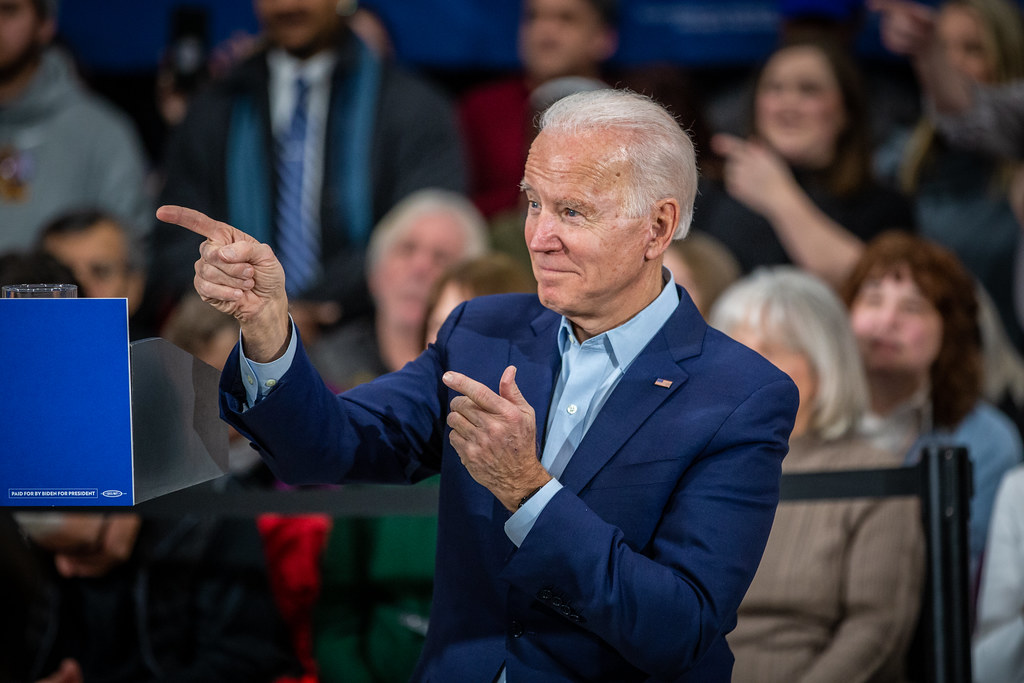
Des Moines residents will decide three ballot measures this November, covering a property tax levy for the Des Moines Public Schools district, a city-level general obligation bond for infrastructure repairs, and a Polk County mental health services referendum. Each measure carries a direct cost or benefit for specific groups of taxpayers, renters, homeowners and service users. Understanding the mechanics matters because a yes or no vote on any of the three will shift who pays for core city services over the next decade.
The timing is not accidental. Iowa's fiscal year began July 1, and both the city and the school district are working from budgets that reflect federal funding uncertainty, including reductions to several block-grant programs that had supplemented local spending on housing assistance and public health. Local budget officers have noted publicly that the gap between projected service costs and available state and federal transfers has widened since 2024, making local levy authority more consequential than it has been in recent memory.
The School Levy and the Infrastructure Bond: What Each Measure Actually Does
The Des Moines Public Schools measure asks voters to approve a voter-approved physical plant and equipment levy, known in Iowa as the PPEL, at the maximum allowable rate of 67 cents per $1,000 of assessed valuation. For the owner of a home assessed at $200,000, that translates to roughly $134 per year in additional property tax. The district says the funds are restricted by state law to physical improvements and equipment purchases, and cannot be redirected to salaries or general operating costs. Renters are not billed directly but local housing analysts note that landlords routinely factor property tax increases into rent calculations at lease renewal, meaning tenants in the district's boundaries could see indirect effects within 12 to 18 months.
The city's general obligation bond measure is the largest of the three by dollar value. The City of Des Moines is asking voters to authorize up to $95 million in bonded debt to fund street reconstruction, stormwater infrastructure and park facility upgrades over a five-year capital plan. General obligation bonds are repaid through property taxes, and city finance staff have projected the annual levy impact at approximately 28 cents per $1,000 of valuation. On a $250,000 home, that works out to about $70 per year. Projects expected to benefit from the bond include reconstruction of segments of Fleur Drive and drainage improvements in flood-prone neighborhoods on the city's south side, areas that have recorded repeated basement flooding during heavy rain events.
The Mental Health Referendum and What Failure Would Mean for Polk County
The Polk County mental health services referendum is the measure with the most immediate human-services stakes. Iowa's 2022 mental health redesign shifted funding responsibilities significantly to counties, and Polk County's current levy authority for mental health services expires at the end of fiscal year 2027. The referendum asks voters to renew and extend that authority for an additional 10 years. The county's most recent annual report on mental health spending showed Polk County served approximately 14,000 residents through county-funded crisis intervention, case management and residential placement programs in fiscal year 2025. If the levy is not renewed, county budget projections indicate the mental health services fund would be depleted within 18 months, forcing case managers to prioritize only court-ordered placements.
Advocacy groups working with adults experiencing serious mental illness have told county supervisors at public hearings that the referral pipeline from Broadlawns Medical Center, the county-owned hospital, depends on county-funded community placements being available after discharge. Without the levy renewal, projected to be available, those placements would shrink significantly.
Voters registered in Polk County and within Des Moines city limits can participate in all three measures. Residents in unincorporated Polk County who fall outside the Des Moines school district boundaries would vote only on the county mental health referendum. The deadline to register or update voter registration for the November general election is October 19, 2026. Polk County Elections will mail sample ballots in late September, and the county auditor's office has scheduled two public information sessions at the downtown Central Library, dates to be confirmed, where nonpartisan staff will walk through the language and financial projections for each measure.