Politics
Des Moines Candidates Target Household Budgets, Property Taxes in 2026 Race
With inflation still squeezing family finances, local candidates are centering their campaigns on cost-of-living relief and property tax policy.
How we reported this
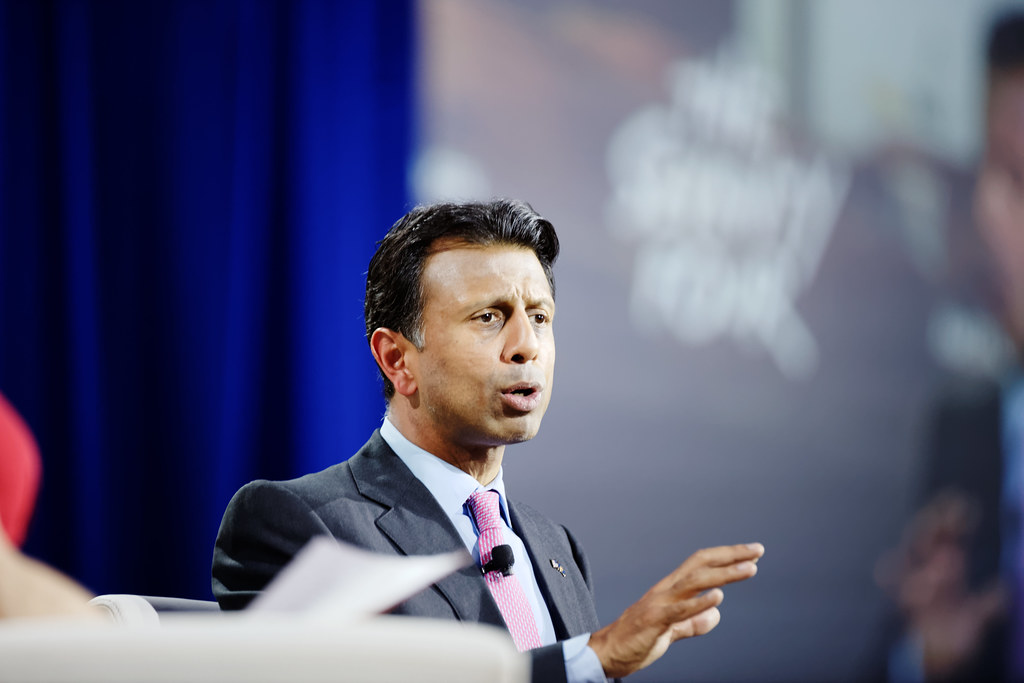
Candidates running for Des Moines city council and Polk County supervisor this fall are putting grocery prices, rent and property taxes at the center of their platforms as household budgets remain a persistent concern for voters across the metro area. The shift reflects what local advocacy groups and campaign operatives say is the dominant issue shaping how Des Moines residents view their economic futures.
Inflation peaked nationally in mid-2022 but grocery and housing costs have remained elevated compared to pre-pandemic levels. In Polk County, median home prices have climbed above $240,000 according to local real estate data, while property tax assessments on residential properties have increased 12 percent over the past three years, according to the Polk County Assessor's office. Those dual pressures have made cost-of-living a referendum issue for municipal candidates who must answer to voters about what local government can do to ease the burden.
What candidates are proposing
Several candidates have released policy platforms that directly address household finances. One common proposal involves reviewing local business tax incentive programs to redirect savings toward property tax relief for homeowners. Another focuses on streamlining city permitting processes to reduce development costs, which backers argue could moderately reduce housing construction expenses and eventually increase affordable units in the market. A third proposal calls for auditing city utility rates at Des Moines Water Works to identify potential efficiencies, though utility rates are set by a separate board and not directly under city council control.
Campaign finance disclosures filed with the city through June show that cost-of-living messaging has dominated candidate materials. Voter outreach surveys conducted by local advocacy groups over the past four months consistently identified property taxes and food costs as the top two concerns among likely voters in Polk County, ahead of public safety, education spending and infrastructure maintenance.
The fiscal reality for households
The average Des Moines household spends approximately 28 percent of gross income on housing, according to data from the U.S. Census Bureau's American Community Survey. That figure has climbed from 24 percent in 2019. For renters, the median monthly rent in central Des Moines stands at $1,050 for a one-bedroom apartment, up from $840 five years ago. These shifts mean that a single-income household earning $45,000 annually now dedicates roughly $12,600 per year to housing alone, compared to $10,080 in 2019.
Candidates across the ideological spectrum acknowledge these figures but propose different solutions. Some emphasize tax relief through spending cuts and regulatory reform. Others call for increased city investment in affordable housing programs and transit subsidies to reduce overall household transportation costs, which the Bureau of Labor Statistics data shows have also risen significantly.
The municipal election takes place in November 2026. Early voting is expected to begin in mid-October. Whoever takes office in January 2027 will face inherited budget constraints, as Des Moines' fiscal year 2027 budget is currently under review and expected to face modest revenue shortfalls tied to reduced commercial property tax collections. What local government actually can deliver on cost-of-living promises will likely shape public confidence in city leadership through the next election cycle.